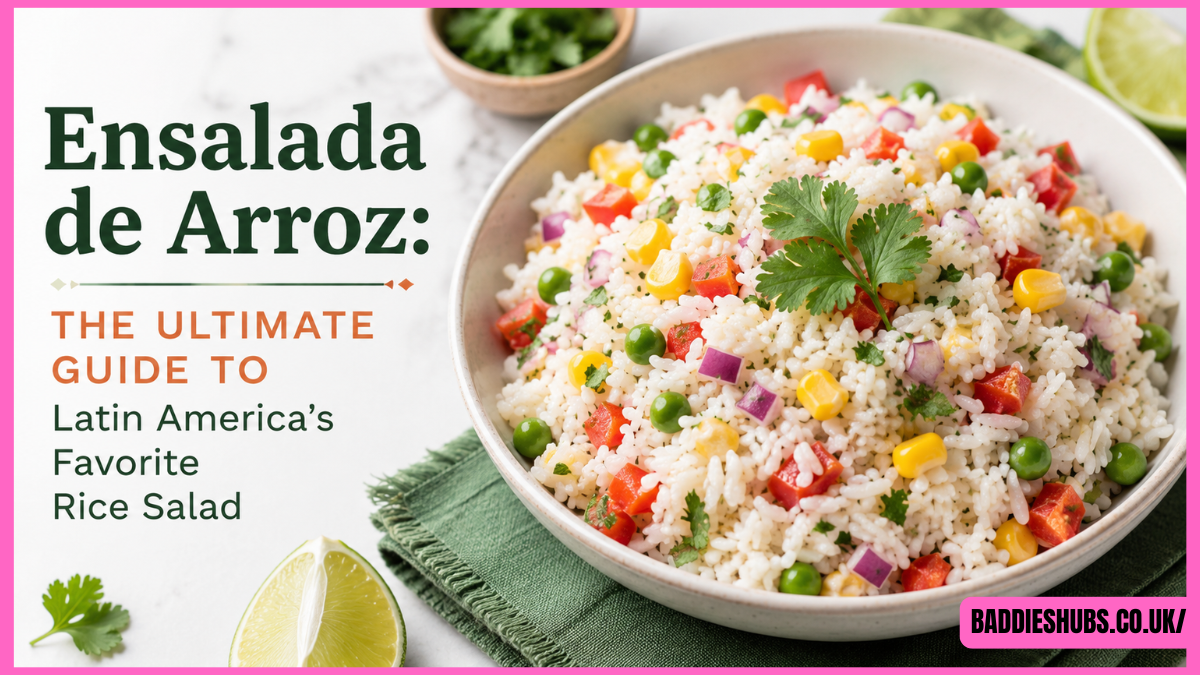
Ensalada de Arroz: The Ultimate Guide to Latin America’s Favorite Rice Salad
Introduction & What Is Ensalada de Arroz?
Ensalada de arroz, or rice salad, is a refreshing and versatile dish enjoyed throughout Latin America, Spain, and many Mediterranean-influenced cuisines. At its core, it combines cooked rice with fresh vegetables, proteins, herbs, and flavorful dressings to create a dish that can be served cold, at room temperature, or occasionally warm.
Originally inspired by Mediterranean rice preparations and adapted across Hispanic cultures, ensalada de arroz has become a staple for family gatherings, picnics, summer meals, and holiday celebrations. Countries such as Argentina, Mexico, Cuba, Venezuela, and Spain all have their own interpretations, adding local ingredients and culinary traditions.
The appeal of ensalada de arroz lies in its incredible flexibility. It can function as:
- A light lunch
- A side dish for grilled meats
- A vegetarian main course
- A make-ahead meal for busy weekdays
- A potluck favorite
For many families, it represents comfort food that balances freshness with heartiness.
Think of ensalada de arroz as the Latin counterpart to Italian pasta salad or American potato salad—equally satisfying but often lighter, brighter, and more customizable.
Its popularity has expanded globally as consumers seek healthier meal options that are easy to prepare, portable, and adaptable to different dietary lifestyles.
Why It Is Popular
Several factors explain why ensalada de arroz continues gaining popularity worldwide.
Reasons People Love It
- Extremely versatile ingredients allow endless customization.
- Budget-friendly meal option suitable for feeding large groups.
- Excellent for meal prep since flavors improve after chilling.
- Naturally gluten-free when prepared with fresh ingredients.
- Perfect balance of freshness and comfort food qualities.
- Compatible with vegan, vegetarian, and high-protein diets.
Modern consumers especially appreciate dishes that can be prepared in advance without sacrificing taste or texture.
Main Ingredients
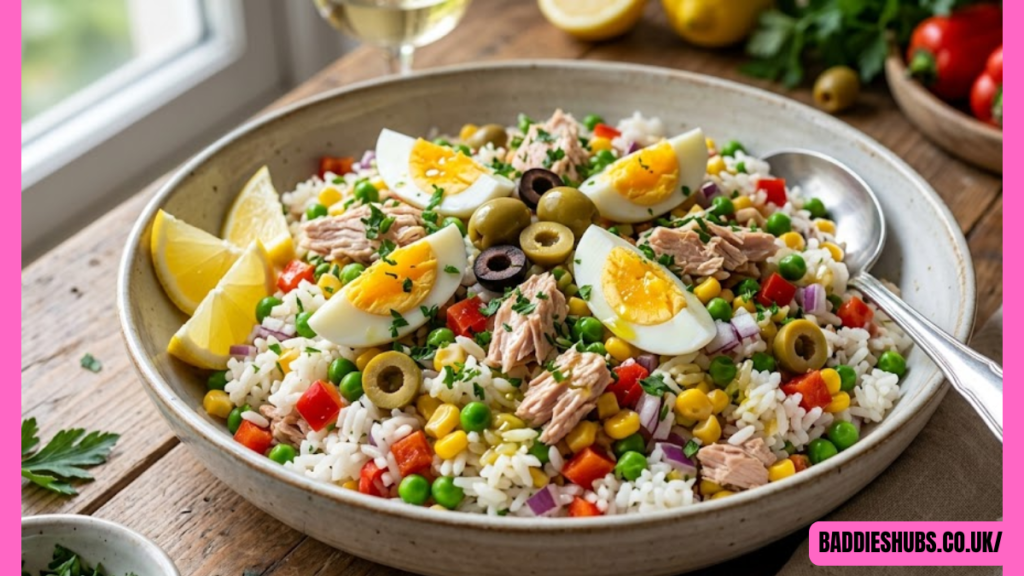
The exact ingredients vary depending on region and personal preference.
| Ingredient | Purpose in the Dish |
| White Rice | Main base providing texture and substance |
| Peas | Sweetness and color |
| Corn Kernels | Crunch and mild sweetness |
| Bell Peppers | Freshness and vibrant appearance |
| Tomatoes | Juiciness and acidity |
| Red Onion | Mild sharpness |
| Tuna | Traditional protein addition |
| Chicken | Makes the salad more filling |
| Hard-Boiled Eggs | Richness and protein |
| Olives | Salty Mediterranean touch |
| Parsley | Fresh herbal flavor |
| Lemon Juice | Bright acidity |
| Olive Oil | Smooth dressing component |
| Mayonnaise | Creamy variation preferred in some regions |
Best Places and Restaurants to Find It
While ensalada de arroz is commonly homemade, visitors can also find excellent versions in various dining establishments.
Traditional Latin American Family Restaurants
Visitors love these venues because they often use recipes passed down through generations.
Highlights:
- Authentic seasoning
- Generous portions
- Homemade presentation
- Seasonal ingredients
Casual Cafés
Modern cafés frequently serve gourmet rice salads.
Popular features include:
- Organic vegetables
- Brown rice options
- Vegan adaptations
- Lighter dressings
Mediterranean Restaurants
Mediterranean eateries often prepare rice salads inspired by Spanish traditions.
Guests appreciate:
- High-quality olive oils
- Fresh herbs
- Seafood additions
- Balanced flavors
Food Markets and Delis
Many artisanal food markets offer ready-made rice salads.
Customers enjoy:
- Affordable pricing
- Fresh daily batches
- Convenient takeaway portions
- Diverse flavor combinations
Top Cities with the Best Scene
Rice salad culture varies significantly by city.
| City | Culinary Influence | Typical Style |
| Buenos Aires | Italian-Latin fusion | Tuna, peas, mayonnaise |
| Madrid | Mediterranean | Olive oil and seafood |
| Mexico City | Mexican home cooking | Corn, jalapeños, lime |
| Miami | Caribbean-Latin mix | Tropical fruits and herbs |
| Barcelona | Coastal cuisine | Shrimp and fresh vegetables |
| Bogotá | Colombian traditions | Chicken and avocado |
Each city showcases unique ingredients while maintaining the essence of the dish.
How to Find the Best Quality Near You
Finding excellent ensalada de arroz requires paying attention to freshness and ingredient quality.
Useful Search Phrases
Search online using:
- “Best rice salad near me”
- “Authentic ensalada de arroz”
- “Latin catering rice salad”
- “Mediterranean rice salad restaurant”
- “Homemade rice salad deli”
Visual Signs of High Quality
Look for:
✓ Bright colorful vegetables
✓ Separate rice grains
✓ Fresh herbs
✓ Balanced moisture
✓ Clean presentation
Signs of Poor Quality
Avoid salads that show:
✗ Mushy rice
✗ Excess liquid pooling
✗ Wilted vegetables
✗ Strong sour odors
✗ Heavy mayonnaise coating
Freshly prepared rice salad should taste vibrant rather than overly rich.
Best Pairings and Side Dishes
Ensalada de arroz pairs wonderfully with numerous dishes.
Traditional Pairings
- Grilled chicken
- Roasted pork
- Fried fish
- Empanadas
- Baked ham
Modern Accompaniments
- Avocado slices
- Quinoa patties
- Roasted vegetables
- Chickpea fritters
- Stuffed peppers
Recommended Drinks
Cold beverages complement the salad nicely.
Options include:
- Lemonade
- Iced tea
- Sparkling water
- Sangria
- White wine
- Fresh fruit juices
Desserts
Popular choices include:
- Fruit salad
- Flan
- Coconut pudding
- Tres leches cake
Dietary Adaptations
One reason for the growing popularity of ensalada de arroz is its compatibility with current dietary trends.
Vegetarian Version
Vegetarians often include:
- Cheese cubes
- Chickpeas
- Boiled eggs
- Roasted vegetables
Vegan Adaptation
Suitable ingredients include:
- Vegan mayonnaise
- Tofu
- Edamame
- Sunflower seeds
- Avocado
High-Protein Option
Fitness-conscious eaters may add:
- Grilled chicken breast
- Tuna
- Salmon
- Turkey
- Shrimp
Health-Conscious Variations
Nutrition-focused chefs frequently substitute:
- Brown rice
- Wild rice
- Cauliflower rice
- Greek yogurt dressing
- Extra herbs
These alternatives increase fiber while reducing calories.
Regional Style Differences
Every region contributes its own culinary personality.
| Region | Distinctive Ingredients | Dressing Style |
| Argentina | Tuna, peas | Mayonnaise |
| Spain | Seafood, olives | Olive oil |
| Mexico | Lime, jalapeño | Citrus vinaigrette |
| Cuba | Ham and peppers | Light mayonnaise |
| Venezuela | Chicken and corn | Creamy dressing |
| Colombia | Avocado | Lemon dressing |
Regional diversity keeps the dish exciting and endlessly adaptable.
Pricing and Best Time to Order
Prices differ according to venue type.
| Venue Type | Average Price |
| Café | £6–10 |
| Casual Restaurant | £9–15 |
| Food Market | £4–8 |
| Gourmet Restaurant | £14–22 |
| Catering Service | £5–12 per serving |
Best Times to Enjoy It
The salad tastes best when freshly chilled.
Ideal occasions include:
- Summer afternoons
- Weekend picnics
- Holiday buffets
- Office lunches
- Barbecues
- Family gatherings
Many cooks prepare it several hours ahead because refrigeration allows flavors to meld beautifully.
Step-by-Step Ensalada de Arroz Recipe
Ingredients
For the Salad
2 cups cooked white rice
1 cup peas
1 cup sweet corn
1 red bell pepper
1 tomato
½ red onion
2 hard-boiled eggs
1 can tuna
½ cup green olives
3 tablespoons parsley
Dressing
4 tablespoons olive oil
2 tablespoons lemon juice
2 tablespoons mayonnaise
Salt to taste
Black pepper to taste
Step One: Cook the Rice
Cook rice according to package instructions.
Avoid overcooking.
Spread it on a tray and allow it to cool completely.
Cold rice creates the ideal texture.
Step Two: Prepare Vegetables
Dice:
- Bell pepper
- Tomato
- Onion
Slice olives.
Chop parsley finely.
Peel and chop boiled eggs.
Step Three: Mix Ingredients
Place in a large bowl:
Rice
Peas
Corn
Vegetables
Eggs
Tuna
Olives
Parsley
Mix gently.
Step Four: Prepare Dressing
Whisk together:
Olive oil
Lemon juice
Mayonnaise
Salt
Pepper
Taste and adjust seasoning
Step Five: Combine Everything
Pour dressing over salad.
Fold carefully.
Avoid crushing ingredients.
Step Six: Refrigerate
Cover bowl.
Refrigerate for at least one hour.
Two to three hours is even better.
Step Seven: Serve
Garnish with:
Fresh parsley
Extra olives
Lemon wedges
Serve chilled.
Enjoy as a complete meal or alongside grilled dishes.
Conclusion and Practical Tips Before Visiting
Ensalada de arroz is much more than a simple rice salad. It is a beloved culinary tradition that bridges cultures, adapts effortlessly to modern dietary preferences, and remains one of the easiest dishes to customize for every season and occasion.
Its refreshing combination of grains, vegetables, proteins, and herbs explains why it continues to appear on restaurant menus, family tables, and picnic spreads worldwide.
Practical Tips for Diners
- Check menus online before visiting restaurants.
- Ask whether the salad is made fresh daily.
- Request dressing on the side if preferred.
- Consider seasonal ingredients for the best flavor.
- Make reservations during holiday periods.
- Purchase early at food markets for maximum freshness.
- Taste before adding extra salt, as olives and tuna may already provide sufficient seasoning.
Frequently Asked Questions
Is ensalada de arroz served hot or cold?
It is traditionally served chilled or at room temperature, although some modern versions may be served slightly warm.
Can I make it a day in advance?
Yes. Many cooks believe it tastes even better after several hours in the refrigerator because the ingredients absorb the dressing.
What type of rice works best?
Long-grain white rice is the most common choice, but brown rice, jasmine rice, and wild rice blends also work well.
Is ensalada de arroz healthy?
Yes. It provides carbohydrates, vegetables, protein, and healthy fats. Using olive oil and fresh ingredients enhances its nutritional value.
How long does it keep in the refrigerator?
Properly stored in an airtight container, it usually stays fresh for up to three days.
Can children enjoy ensalada de arroz?
Absolutely. Mild versions with corn, peas, eggs, and chicken are especially popular with children.
What protein can replace tuna?
Grilled chicken, shrimp, tofu, chickpeas, salmon, or turkey are all excellent substitutes.